

Lucerum Blog
Home > Blog

Looking for something specific?

Sleep, Vigilance, and Seizures
Sleep is a pharmacologically active brain state. The sleep-wake cycle continuously regulates cortical excitability, with NREM transitions elevating and REM suppressing seizure susceptibility. A 2025 meta-analysis now provides robust population-level evidence that sleep deprivation measurably reduces cortical inhibition. Many drugs in routine use — across addiction medicine, psychiatry, and pain management — alter the sleep architecture that maintains this inhibitory tone. For alcohol and GABAergic sedatives, the link from sleep disruption to withdrawal seizure is mechanistically direct. For antidepressants, stimulants, and opioids, the sleep-architecture pathway adds a layer of risk that warrants consideration alongside the drugs’ direct pharmacological effects.
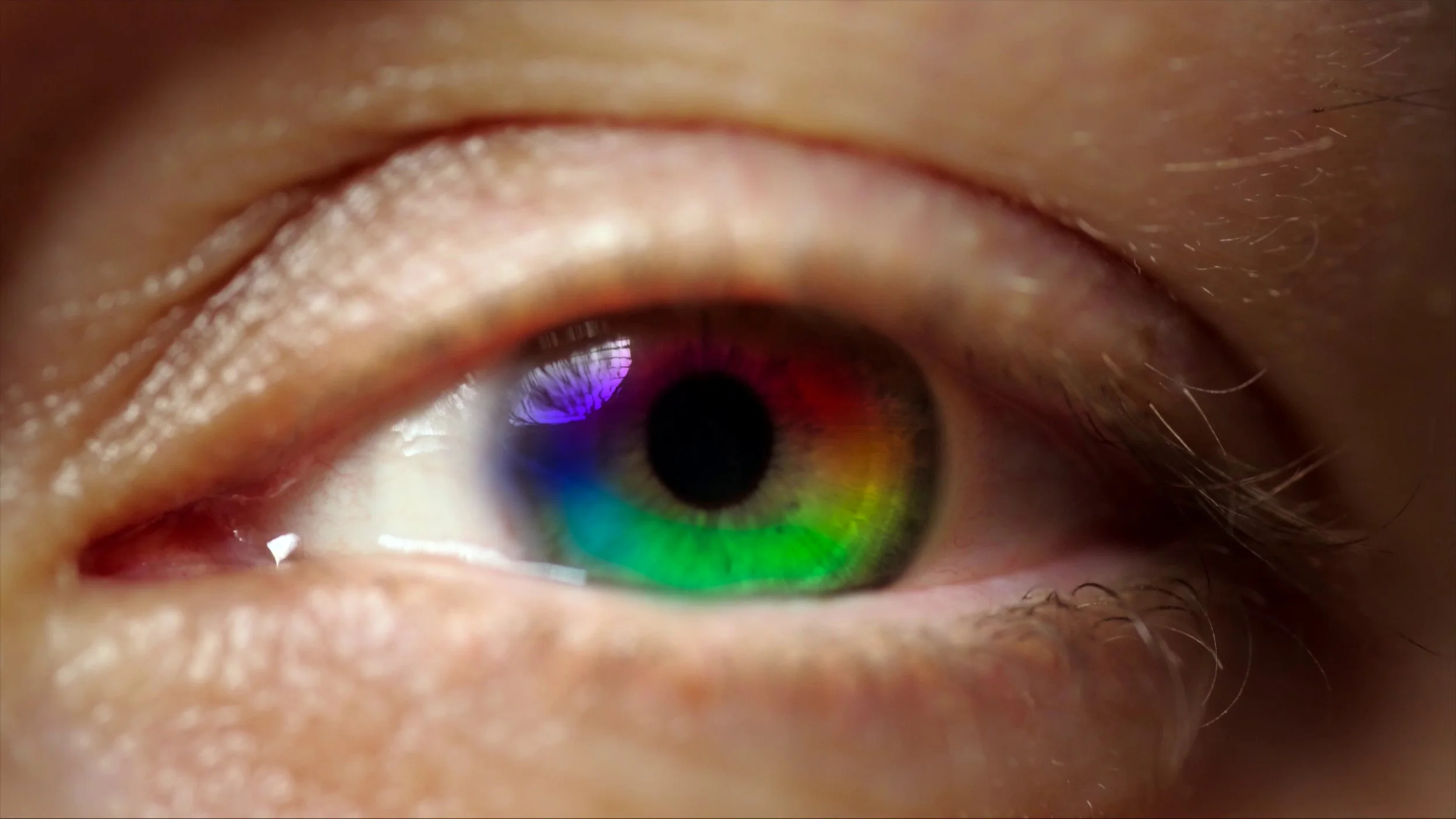
The Third Eye That Went Dark: How an Ancient Light Sensor Became the Body’s Clock, Mood Regulator, and Inner Psychedelic
🧠 The Third Eye That Went Dark
Deep in your brain sits a pea-sized gland that once looked out at the sky. In fish, amphibians, and reptiles, the pineal is literally a light sensor — some lizards still have a rudimentary third eye on top of their skull. In us, it went blind. But it didn't stop reacting to light.
Every night, light hitting your retina takes a long detour from the brain down the spinal cord, and back up — just to tell one small gland: it's dark now. The pineal answers with melatonin, the signal that sets sleep, seasonal reproduction, autonomic tone, and the hand-off from "fight or flight" to "rest and digest."
When this timing loop drifts, mental health follows. In OCD, the clock runs late and quiet — delayed melatonin, smaller pineal glands on MRI. In bipolar disorder, it runs hypersensitive — nighttime light suppresses melatonin twice as much as in healthy controls, even in unaffected relatives.
And here's the twist most people miss: the pineal also produces trace amounts of DMT and pinoline — chemical cousins of the two active ingredients in ayahuasca. Whatever their natural role, their relatives are now delivering rapid antidepressant effects in clinical trials of treatment-resistant depression.
An ancient third eye, blinded but not silenced, still runs a surprising amount of the show.
#Neuroscience #MentalHealth #Chronobiology #Psychedelics #Melatonin


EEG’s Decade of Discovery: From Brain Signals to Breakthroughs
It all begins with an idea.