Connectomics
Gain fast insights into brain network changes due to a drug or therapeutic intervention
Applications > Connectomics
Functional connectivity measures the dynamic interactions and synchronization between brain regions over time and is a readout of neuroplasticity
Connectome mapping has applications from drug development to clinical research and treatment choices

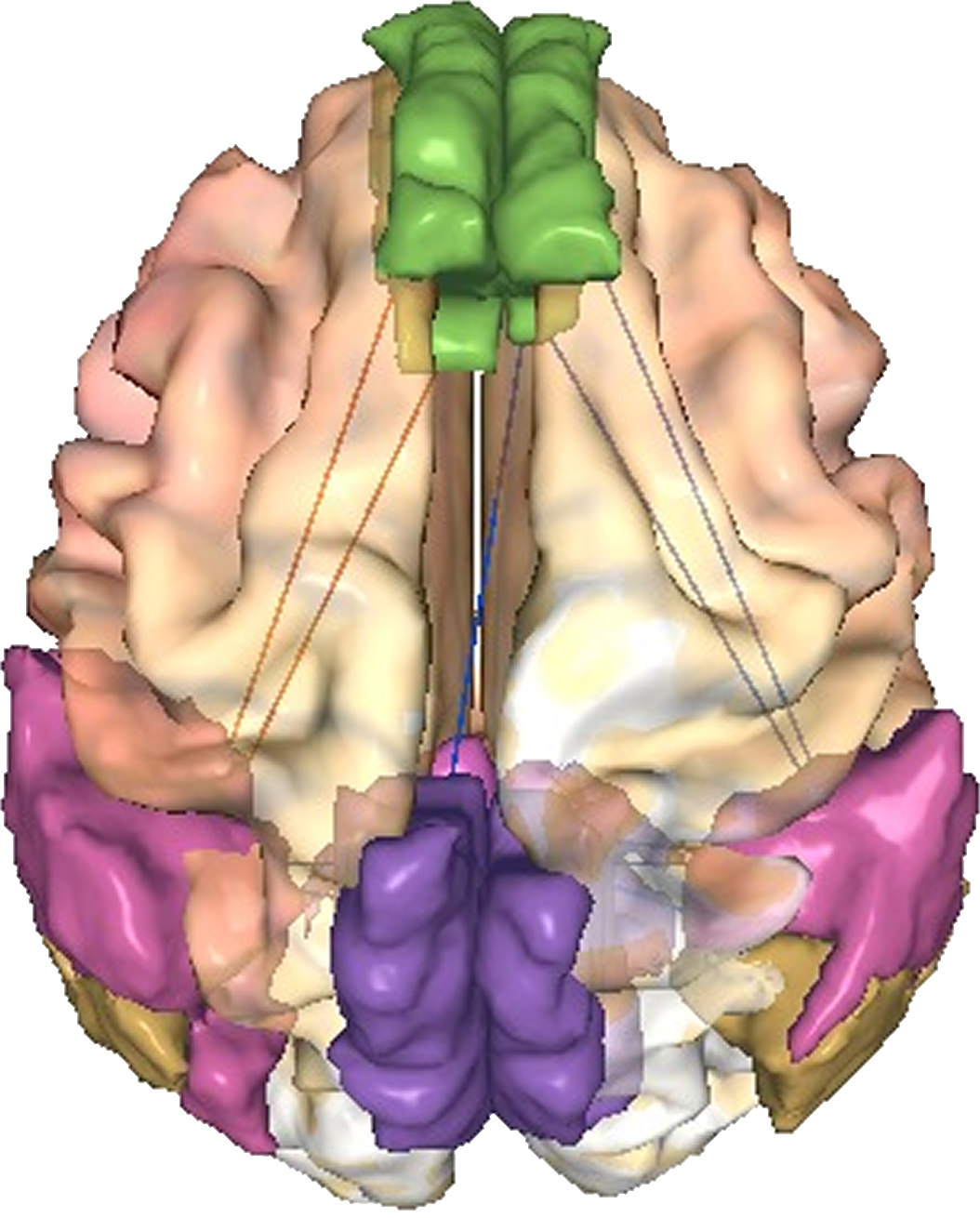
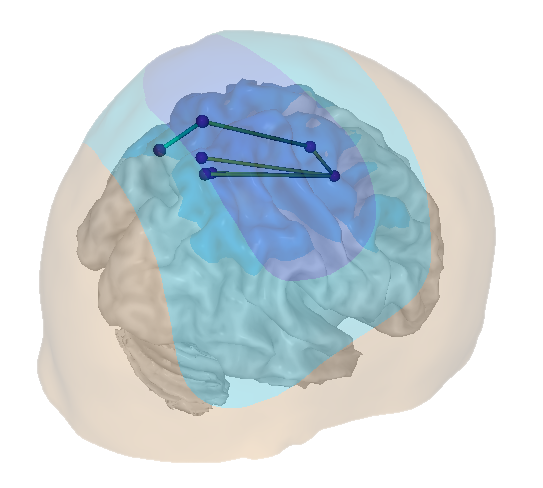
Clinical Trial Connectomics
Cutting-edge brain network analysis from short EEG collections
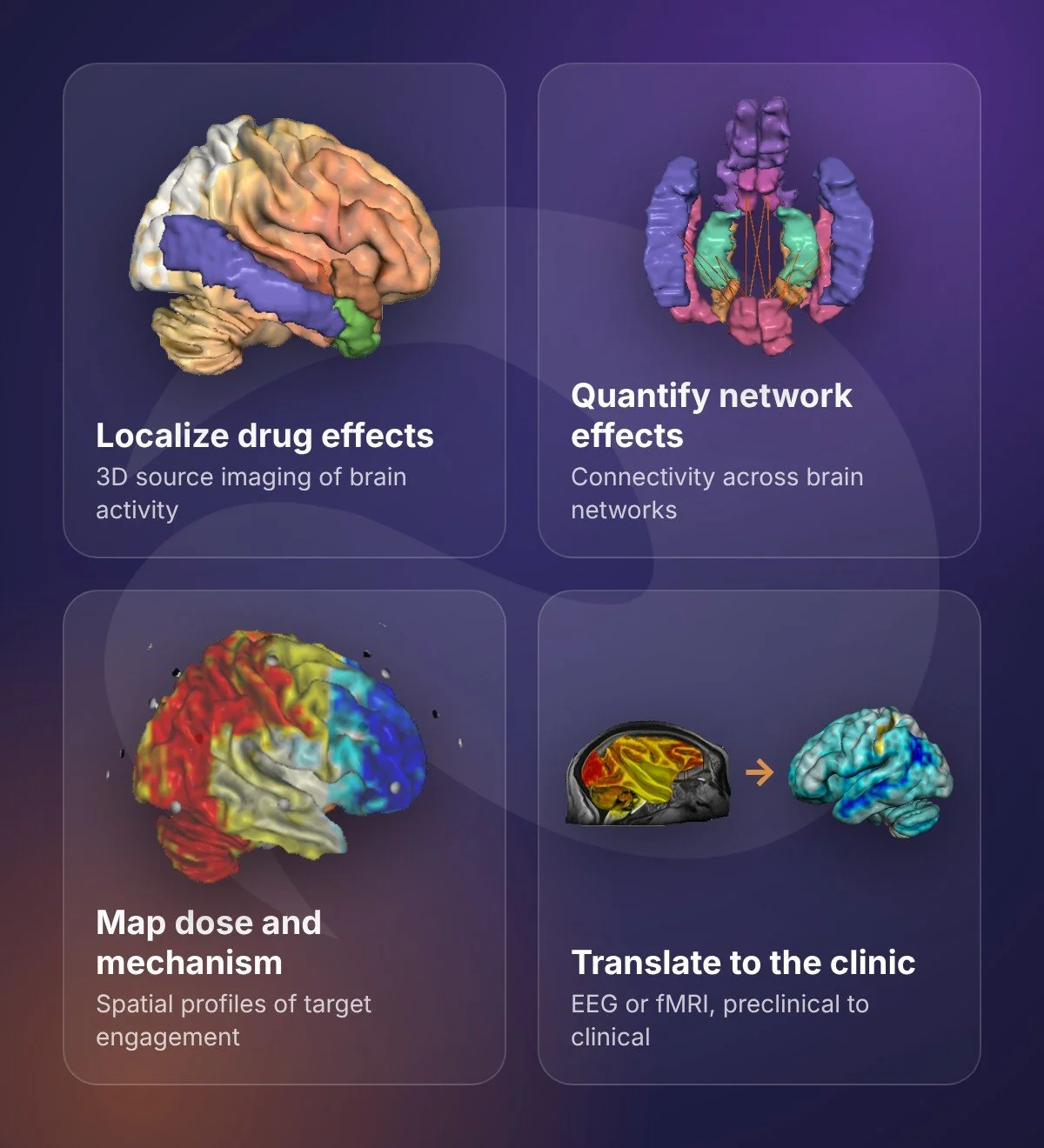
By integrating advanced quantitative EEG (qEEG) with connectomics, we offer a powerful solution for adding precision of drug efficacy during clinical trials.
Lucerum runs end-to-end EEG and fMRI studies for neuroplastogens, including psychedelics, mapping where a compound acts, how it reshapes brain networks and how those changes relate to clinical outcomes, from non-human primate to patient. Even in relatively small cohorts, connectivity can reveal drug effects that spectral power misses.
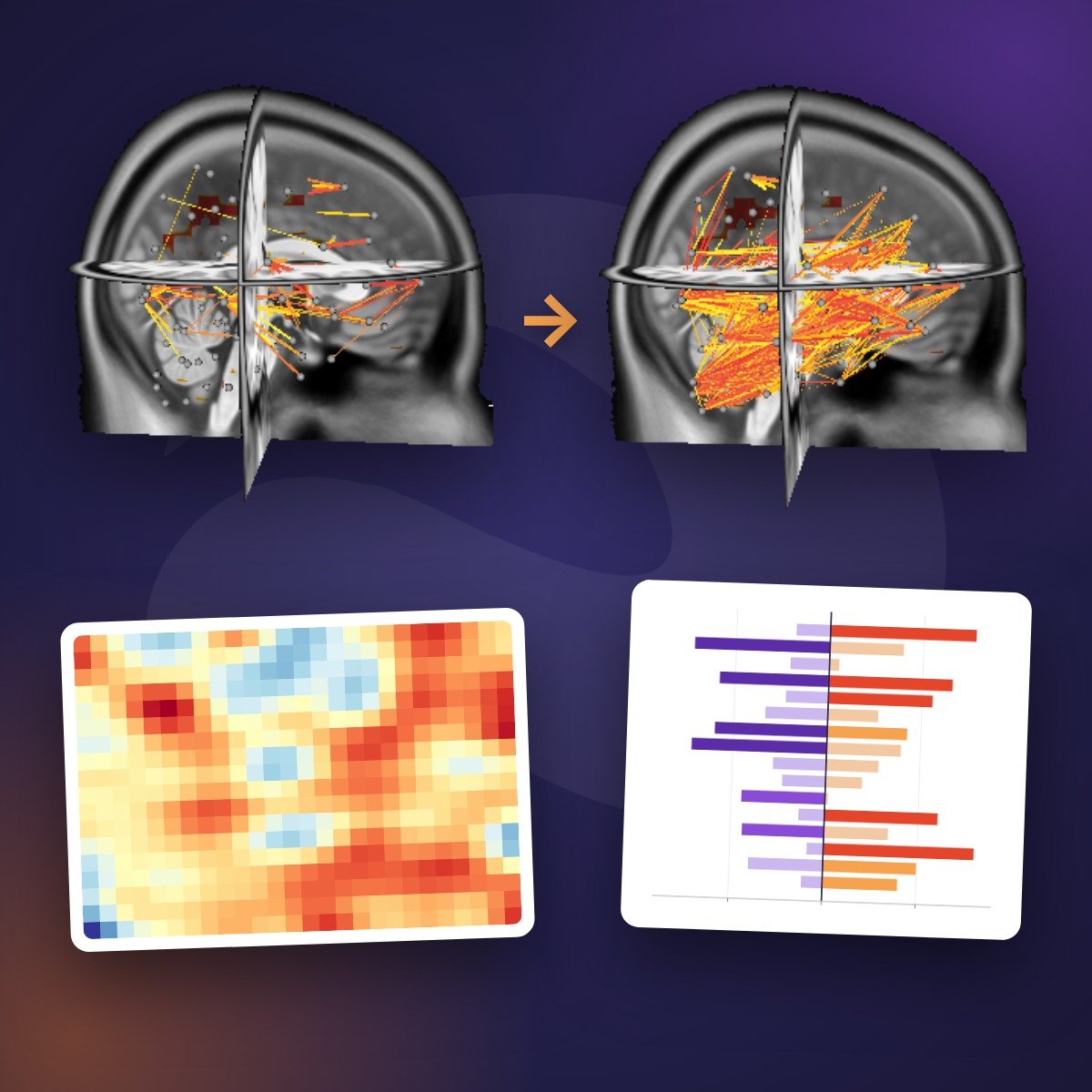
NHP to Human Translation of Neuroplastogen Efficacy
Advanced applications supporting neuromodulators or gene therapy
Neuroimaging research is advancing rapidly yet despite these advances, there are currently no standardized preclinical non-human primate (NHP) models of source localization and brain network function. To close this gap, we developed models specifically designed as addons to preclinical toxicology studies and developed heuristics for EEG tomography-derived biomarkers.
Find out how we can support preclinical laboratory data collections
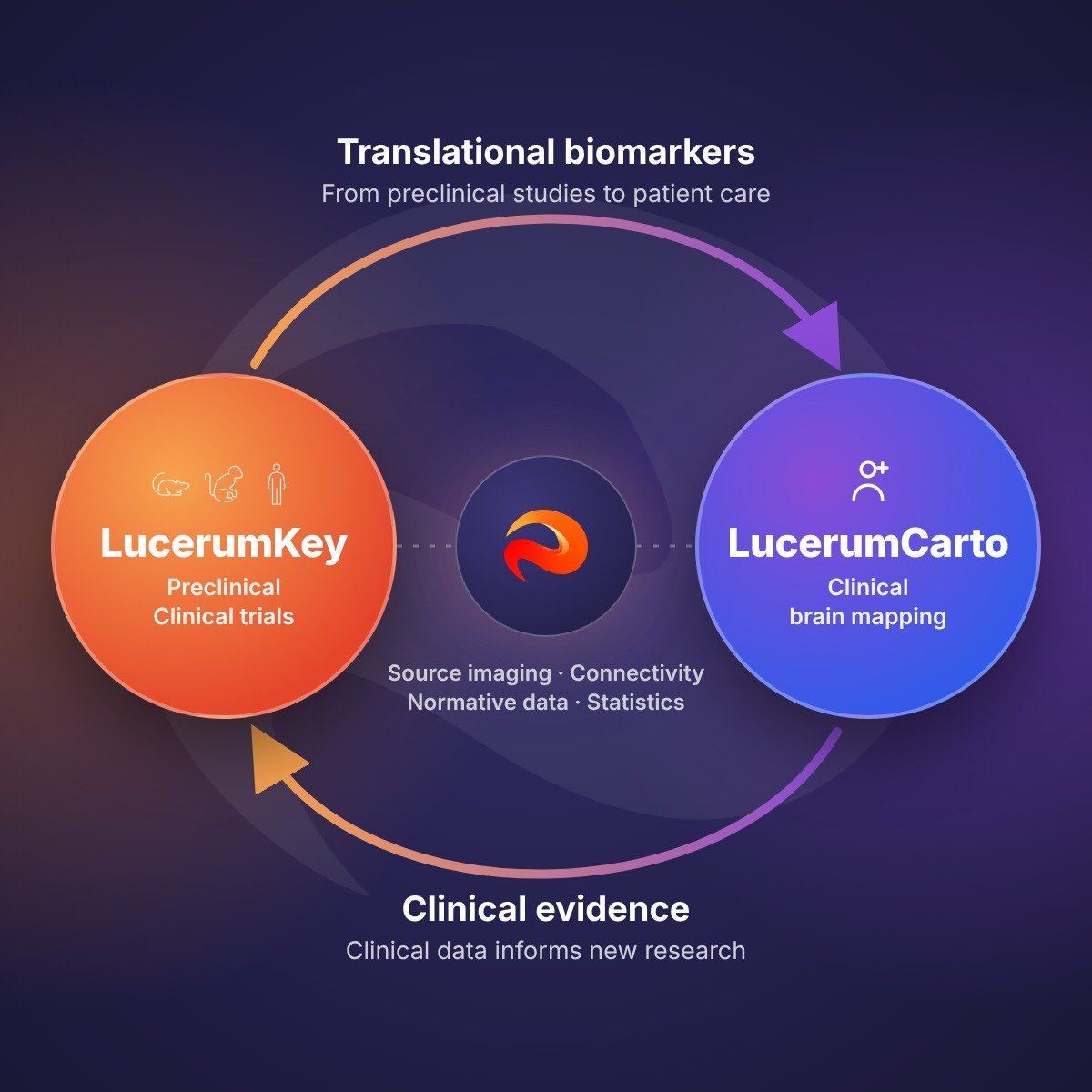
Precision Connectomics from Bench to Clinical Research
LucerumKey and LucerumCarto share source imaging and connectivity methods. Researchers can carry a biomarker from preclinical studies through clinical trials into patient care, comparing results across species, studies and clinical populations on consistent measures.