

Lucerum Blog
Home > Blog

Looking for something specific?
Sleep, Vigilance, and Seizures
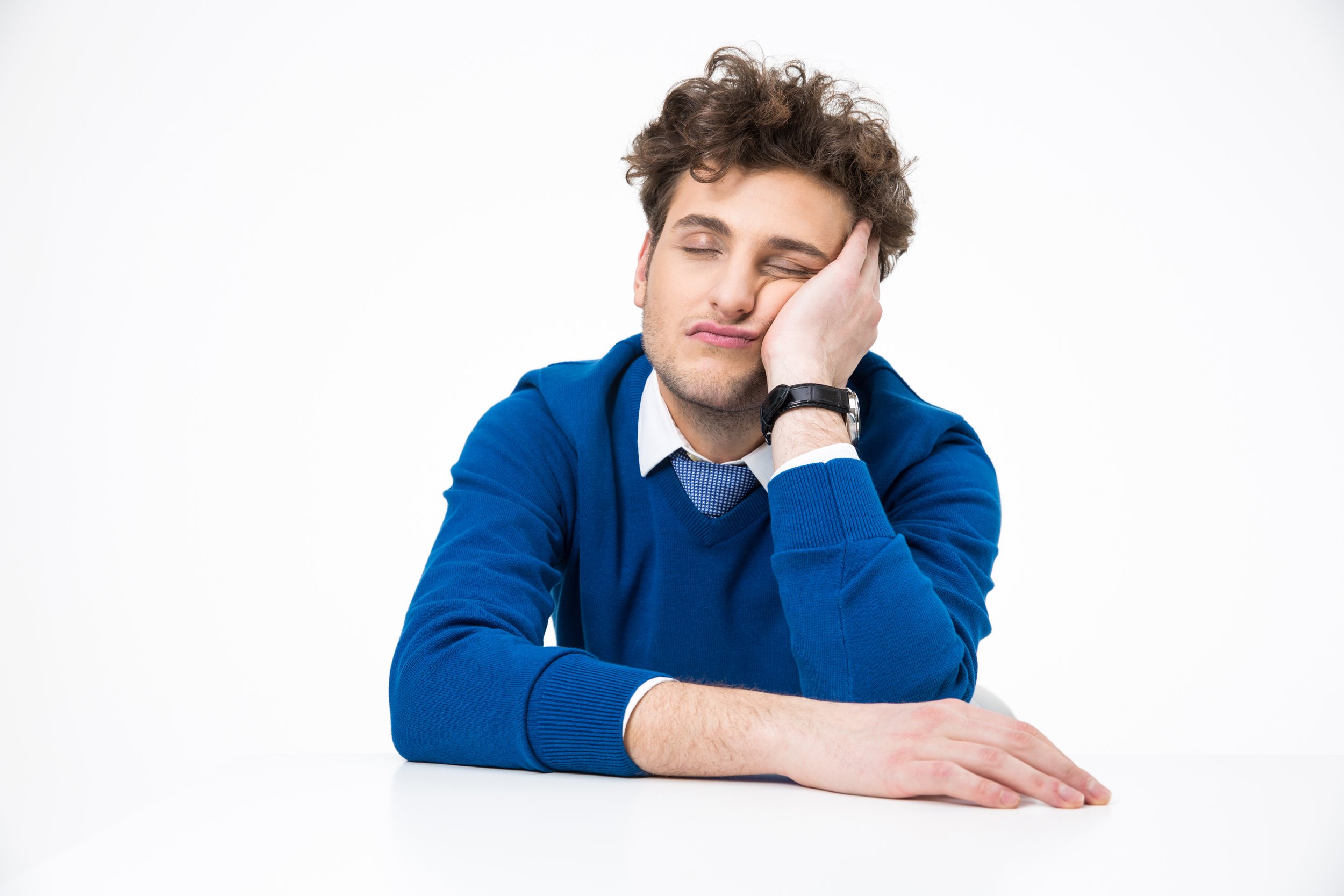
Sleep is a pharmacologically active brain state. The sleep-wake cycle continuously regulates cortical excitability, with NREM transitions elevating and REM suppressing seizure susceptibility. A 2025 meta-analysis now provides robust population-level evidence that sleep deprivation measurably reduces cortical inhibition. Many drugs in routine use — across addiction medicine, psychiatry, and pain management — alter the sleep architecture that maintains this inhibitory tone. For alcohol and GABAergic sedatives, the link from sleep disruption to withdrawal seizure is mechanistically direct. For antidepressants, stimulants, and opioids, the sleep-architecture pathway adds a layer of risk that warrants consideration alongside the drugs’ direct pharmacological effects.

Quantitative EEG in Depression: Predictors of Treatment Response
Quantitative EEG in Depression: Predictors of Treatment Response
Antidepressants and rTMS help roughly half of the patients who try them. Nobody knows which half in advance. That's a solvable problem — and quantitative EEG has quietly spent forty years solving it.
In this piece I give a broad overview of where the field actually is: the early generation of qEEG response predictors that have survived four decades of scrutiny and meta-analysis, the shift now underway toward network- and connectome-based markers that match the modern view of depression as a circuit-level disorder, and the emerging frontier of source-localized, neurotransmitter-informed EEG that could turn precision psychopharmacology from an aspiration into a workflow. I close on where things stand with the FDA and payers, and why the momentum is finally moving in the right direction.
qEEG is not a miracle. But the comparison is not qEEG-versus-perfection — it's versus-the-coin-flip. #qEEG, #Neuroscience, #BrainMapping, #Depression, #Psychiatry, #rTMS, #Antidepressants, #Psychopharmacology, #Connectomics
Eyes closed, eyes open qEEG — why you need both, and what the difference reveals for clinical practice
Eyes closed. Eyes open. One contrast that changes everything.
Clinicians using qEEG have long recorded resting-state EEG — but most still choose a single condition and move on. The eyes closed/eyes open (EC/EO) contrast is one of the most evidence-backed and underused paradigms in clinical qEEG, yielding biomarkers linked to Alzheimer's disease, Lewy body dementia, Parkinson's, ADHD, and depression that neither condition reveals alone. At the center of it is alpha reactivity — a dynamic, cholinergically sensitive index that tracks disease severity, predicts amyloid burden, and improves diagnostic classification. LucerumCarto computes EC/EO qEEG biomarkers automatically from your EEG data, giving clinicians the full contrast picture without manual calculation. Here's what the research shows — and why recording both conditions should be standard practice.

Psychedelic Therapy: Navigating the Neuroplastic Reconfiguration of the Self
At the heart of any psychiatric neuroplastogen is its ability to fundamentally alter the very sense of self, often permanently.


From Mice to Humans: Cross-Species Neuroanalytics
Neuroscience research often starts in the lab, with animal models providing the first insights into how the brain works and how it reacts to new drugs or treatments. But the ultimate goal is to apply these findings to humans, improving diagnosis, treatment, and outcomes for neurological and psychiatric conditions. The bridge between preclinical research and clinical applications lies in cross-species neuroanalytics—the ability to analyze and compare neural data from animals and humans to uncover universal principles and actionable insights.