

Lucerum Blog
Home > Blog

Looking for something specific?
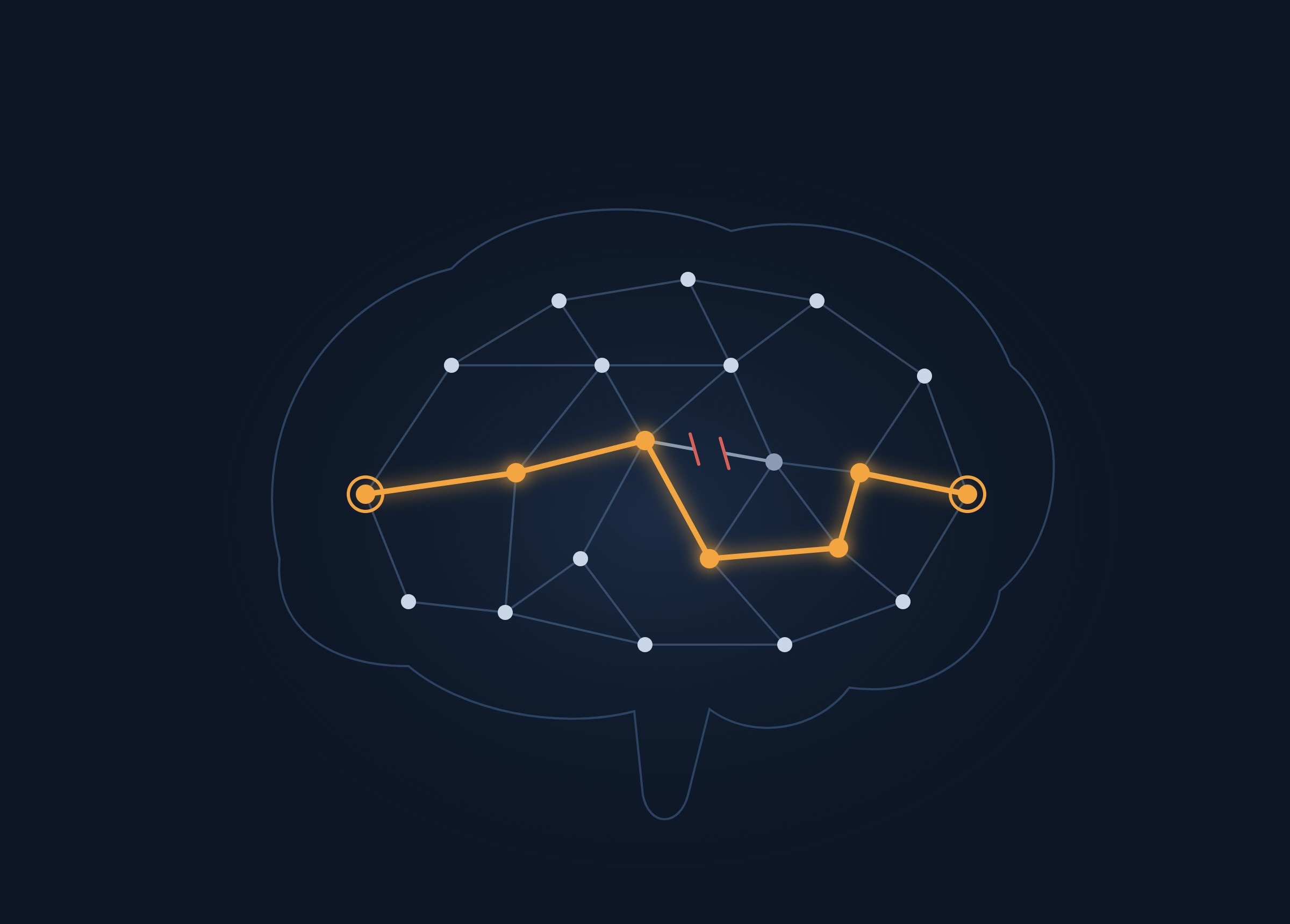
Investigating Brain Resilience with EEG and Connectivity: Applications in Recovery and Neuromodulation
How does the brain sustain everyday abilities through aging, illness, or injury—and how could understanding its connections improve care? This article explores brain reserve and resilience through EEG and network analysis, explaining how efficiency, specialization, and robustness relate to the brain’s capacity to adapt. It examines emerging applications in cognitive aging, stroke recovery, and personalized brain stimulation, using LucerumCarto as an example of linking patient-reported difficulties with brain-network findings, treatment planning, and follow-up. The central question is practical: how can these measurements help people preserve or regain the abilities that matter to them?

Measuring the Rewiring: Connectivity Biomarkers for the Next Generation of Psychiatric Drugs
For pharma teams developing neuroplastogens, from psychedelics to next-generation antidepressants, this piece lays out brain functional connectivity, obtained from EEG or fMRI, as the key biomarker for showing that a drug is reorganizing brain circuits. It covers how Lucerum's standardized qEEG methods turn connectivity into a practical, dose-tracked measure usable across every clinical trial phase, with examples from a real MDD program showing the approach in action, from healthy volunteers through patient outcomes.

Quantitative EEG in Depression: Predictors of Treatment Response
Quantitative EEG in Depression: Predictors of Treatment Response
Antidepressants and rTMS help roughly half of the patients who try them. Nobody knows which half in advance. That's a solvable problem — and quantitative EEG has quietly spent forty years solving it.
In this piece I give a broad overview of where the field actually is: the early generation of qEEG response predictors that have survived four decades of scrutiny and meta-analysis, the shift now underway toward network- and connectome-based markers that match the modern view of depression as a circuit-level disorder, and the emerging frontier of source-localized, neurotransmitter-informed EEG that could turn precision psychopharmacology from an aspiration into a workflow. I close on where things stand with the FDA and payers, and why the momentum is finally moving in the right direction.
qEEG is not a miracle. But the comparison is not qEEG-versus-perfection — it's versus-the-coin-flip. #qEEG, #Neuroscience, #BrainMapping, #Depression, #Psychiatry, #rTMS, #Antidepressants, #Psychopharmacology, #Connectomics

Personalizing TMS with qEEG guidance: Two Ways to Stop Guessing Where to Stimulate
Most TMS treatments still place the coil based on scalp landmarks — a pragmatic approach that has served the field well but leaves significant individual variability unaddressed. We now have better tools. Two data sources generate from EEG can tell you precisely where to aim and what to do when you get there: current source density (CSD) from qEEG and functional connectivity maps. Here's how each works, and how to combine them and where to find the precision tools needed for personalized TMS.

Psychedelic Therapy: Navigating the Neuroplastic Reconfiguration of the Self
At the heart of any psychiatric neuroplastogen is its ability to fundamentally alter the very sense of self, often permanently.
