

Lucerum Blog
Home > Blog

Looking for something specific?
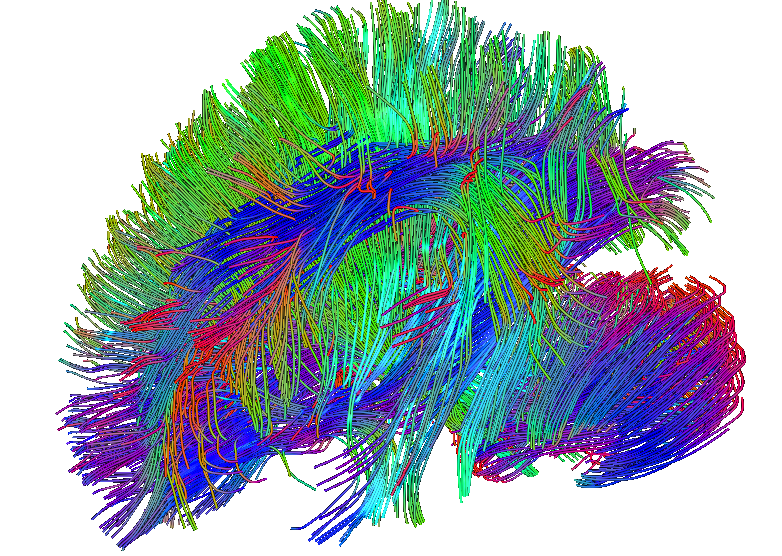
Measuring the Rewiring: Connectivity Biomarkers for the Next Generation of Psychiatric Drugs
For pharma teams developing neuroplastogens, from psychedelics to next-generation antidepressants, this piece lays out brain functional connectivity, obtained from EEG or fMRI, as the key biomarker for showing that a drug is reorganizing brain circuits. It covers how Lucerum's standardized qEEG methods turn connectivity into a practical, dose-tracked measure usable across every clinical trial phase, with examples from a real MDD program showing the approach in action, from healthy volunteers through patient outcomes.

Quantitative EEG in Depression: Predictors of Treatment Response
Quantitative EEG in Depression: Predictors of Treatment Response
Antidepressants and rTMS help roughly half of the patients who try them. Nobody knows which half in advance. That's a solvable problem — and quantitative EEG has quietly spent forty years solving it.
In this piece I give a broad overview of where the field actually is: the early generation of qEEG response predictors that have survived four decades of scrutiny and meta-analysis, the shift now underway toward network- and connectome-based markers that match the modern view of depression as a circuit-level disorder, and the emerging frontier of source-localized, neurotransmitter-informed EEG that could turn precision psychopharmacology from an aspiration into a workflow. I close on where things stand with the FDA and payers, and why the momentum is finally moving in the right direction.
qEEG is not a miracle. But the comparison is not qEEG-versus-perfection — it's versus-the-coin-flip. #qEEG, #Neuroscience, #BrainMapping, #Depression, #Psychiatry, #rTMS, #Antidepressants, #Psychopharmacology, #Connectomics
The Third Eye That Went Dark: How an Ancient Light Sensor Became the Body’s Clock, Mood Regulator, and Inner Psychedelic
🧠 The Third Eye That Went Dark
Deep in your brain sits a pea-sized gland that once looked out at the sky. In fish, amphibians, and reptiles, the pineal is literally a light sensor — some lizards still have a rudimentary third eye on top of their skull. In us, it went blind. But it didn't stop reacting to light.
Every night, light hitting your retina takes a long detour from the brain down the spinal cord, and back up — just to tell one small gland: it's dark now. The pineal answers with melatonin, the signal that sets sleep, seasonal reproduction, autonomic tone, and the hand-off from "fight or flight" to "rest and digest."
When this timing loop drifts, mental health follows. In OCD, the clock runs late and quiet — delayed melatonin, smaller pineal glands on MRI. In bipolar disorder, it runs hypersensitive — nighttime light suppresses melatonin twice as much as in healthy controls, even in unaffected relatives.
And here's the twist most people miss: the pineal also produces trace amounts of DMT and pinoline — chemical cousins of the two active ingredients in ayahuasca. Whatever their natural role, their relatives are now delivering rapid antidepressant effects in clinical trials of treatment-resistant depression.
An ancient third eye, blinded but not silenced, still runs a surprising amount of the show.
#Neuroscience #MentalHealth #Chronobiology #Psychedelics #Melatonin

Psychedelic Therapy: Navigating the Neuroplastic Reconfiguration of the Self
At the heart of any psychiatric neuroplastogen is its ability to fundamentally alter the very sense of self, often permanently.


Neuroanalytics: Cutting Through the Hype and Misunderstandings
The allure of neuroanalytics is undeniable. The ability to measure, map, and analyze brain activity has sparked excitement across fields ranging from medicine and psychology to marketing and education. Promises abound: personalized mental health treatments, brain-computer interfaces, real-time performance optimization, and even unlocking the secrets of creativity. But with great promise often comes great hype—and neuroanalytics is no exception.