

Lucerum Blog
Home > Blog

Looking for something specific?
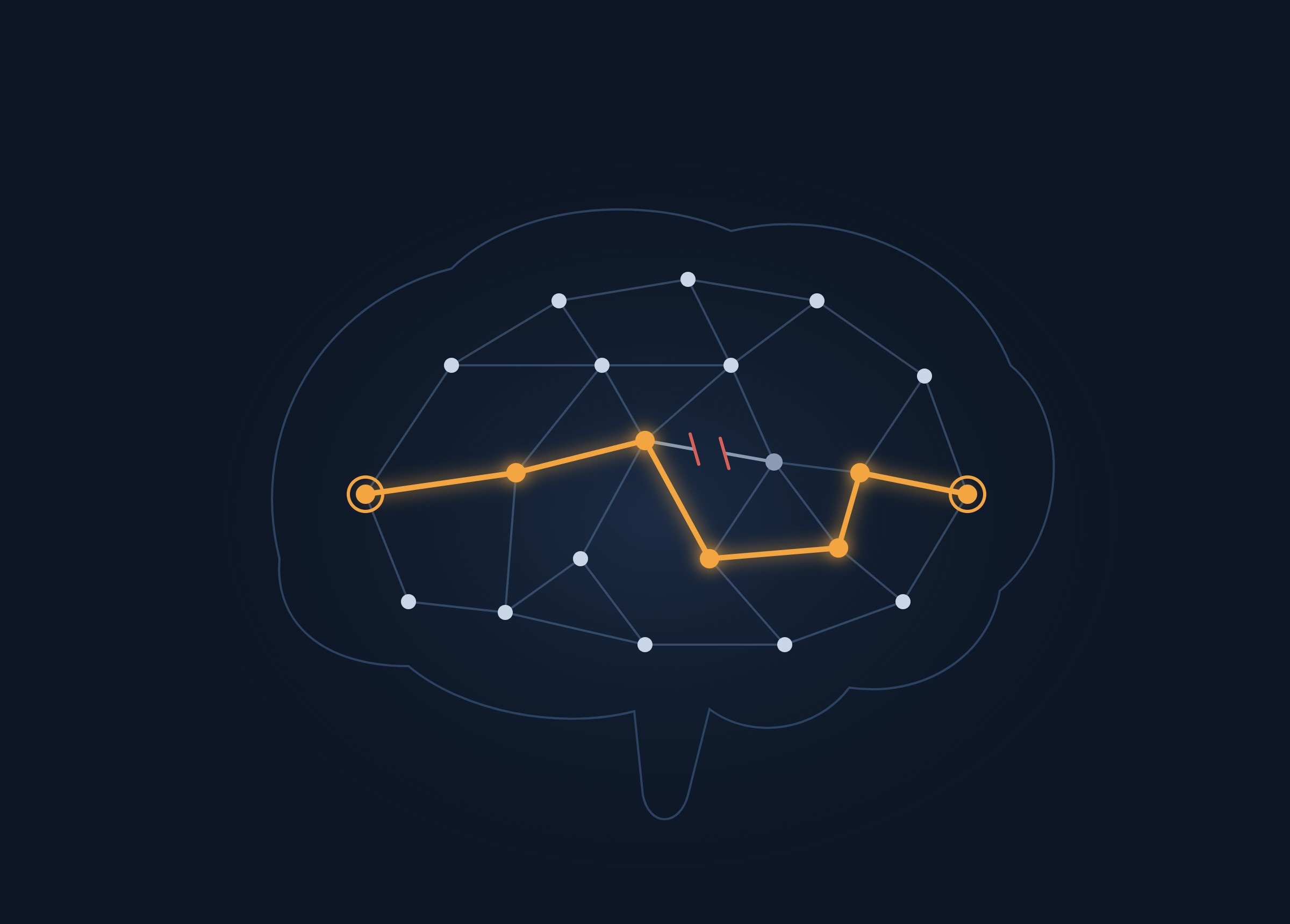
Investigating Brain Resilience with EEG and Connectivity: Applications in Recovery and Neuromodulation
How does the brain sustain everyday abilities through aging, illness, or injury—and how could understanding its connections improve care? This article explores brain reserve and resilience through EEG and network analysis, explaining how efficiency, specialization, and robustness relate to the brain’s capacity to adapt. It examines emerging applications in cognitive aging, stroke recovery, and personalized brain stimulation, using LucerumCarto as an example of linking patient-reported difficulties with brain-network findings, treatment planning, and follow-up. The central question is practical: how can these measurements help people preserve or regain the abilities that matter to them?

Personalizing TMS with qEEG guidance: Two Ways to Stop Guessing Where to Stimulate
Most TMS treatments still place the coil based on scalp landmarks — a pragmatic approach that has served the field well but leaves significant individual variability unaddressed. We now have better tools. Two data sources generate from EEG can tell you precisely where to aim and what to do when you get there: current source density (CSD) from qEEG and functional connectivity maps. Here's how each works, and how to combine them and where to find the precision tools needed for personalized TMS.

Neuroanalytics: Cutting Through the Hype and Misunderstandings
The allure of neuroanalytics is undeniable. The ability to measure, map, and analyze brain activity has sparked excitement across fields ranging from medicine and psychology to marketing and education. Promises abound: personalized mental health treatments, brain-computer interfaces, real-time performance optimization, and even unlocking the secrets of creativity. But with great promise often comes great hype—and neuroanalytics is no exception.

qEEG-Guided TMS: Personalizing Brain Stimulation for Mental Health
It all begins with an idea.